Be yourself; Everyone else is already taken.
— Oscar Wilde.
This is the first post on my new blog. I’m just getting this new blog going, so stay tuned for more. Subscribe below to get notified when I post new updates.
Be yourself; Everyone else is already taken.
— Oscar Wilde.
This is the first post on my new blog. I’m just getting this new blog going, so stay tuned for more. Subscribe below to get notified when I post new updates.
The purpose of being information and media literate is to engage in a digital society, one needs to be able to understand, inquire, create, communicate, and think critically.
Media can help us to gather information’s, spread information’s, aware, and updated in our surrounding’s. Media exist in many forms, the three main categories;
Print Media
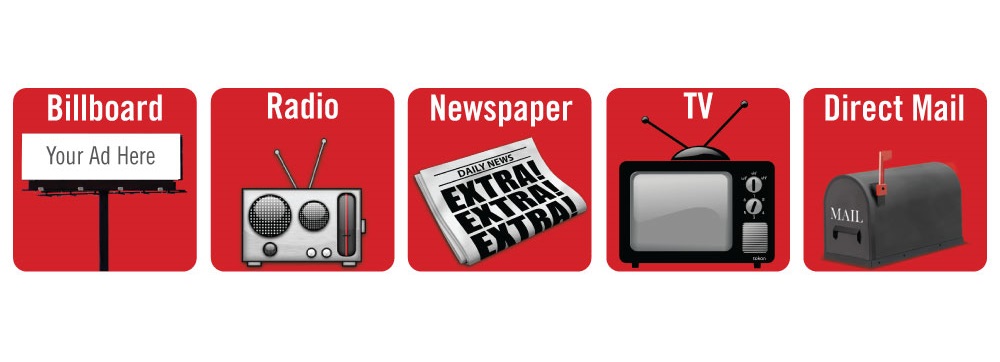
– it refers to paper publications like newspapers, books, magazines, newsletters, and journals. it also includes brochures, posters, flyers, banners, and billboards.
– it is also considered as the oldest form of media.

Broadcast Media
– it includes radio, television, media that initially used the airwaves to reach their audience.

New Media
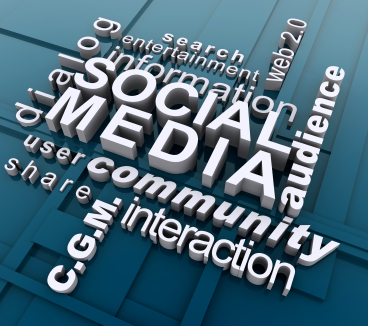
– it composed of media that use digital technologies like the internet. Under this category are social media, blogs, websites, and streaming media.
– more and more people now are using new media as means of communication.

From Traditional Media to New Media
from “traditional” and another “new”, especially now that exponential growth in computing power can easily make a new technology suddenly obsolete.
Traditional Media
– are those that transmit information without the use of the internet or any digital platform. (newspapers, tv, radio, and etc.)
New Media
– allowed people to access information when they want, where they want. And when new media specifically social media allowed us to instantly react, comment, and share with the click of a button on devices.
– on demand and interactive.

Media Information and Literacy
by this three we can do a lot of things, we can enjoy what we see in media, what we read and learn in information and literacy. If we could help other people that badly needed, lets help them by the use of this three things.
This is an example post, originally published as part of Blogging University. Enroll in one of our ten programs, and start your blog right.
You’re going to publish a post today. Don’t worry about how your blog looks. Don’t worry if you haven’t given it a name yet, or you’re feeling overwhelmed. Just click the “New Post” button, and tell us why you’re here.
Why do this?
The post can be short or long, a personal intro to your life or a bloggy mission statement, a manifesto for the future or a simple outline of your the types of things you hope to publish.
To help you get started, here are a few questions:
You’re not locked into any of this; one of the wonderful things about blogs is how they constantly evolve as we learn, grow, and interact with one another — but it’s good to know where and why you started, and articulating your goals may just give you a few other post ideas.
Can’t think how to get started? Just write the first thing that pops into your head. Anne Lamott, author of a book on writing we love, says that you need to give yourself permission to write a “crappy first draft”. Anne makes a great point — just start writing, and worry about editing it later.
When you’re ready to publish, give your post three to five tags that describe your blog’s focus — writing, photography, fiction, parenting, food, cars, movies, sports, whatever. These tags will help others who care about your topics find you in the Reader. Make sure one of the tags is “zerotohero,” so other new bloggers can find you, too.

 Site Title